On scale, structure, and the language of jewelry
Forato began with a hole.
Not because something needed to be removed, but because something needed to pass through.
Before I worked in branding, interiors, or objects, I studied jewelry design and metalsmithing. During my first years in school, the program lived within the sculpture department, and that way of thinking has never really left me. There’s a need to think through both materiality and scale before the craftsmanship can begin. Whether designing a ring or a room, the same questions continue to surface. How do two materials meet? Where does weight rest? What deserves to remain visible?
Forato became one attempt at answering those questions.
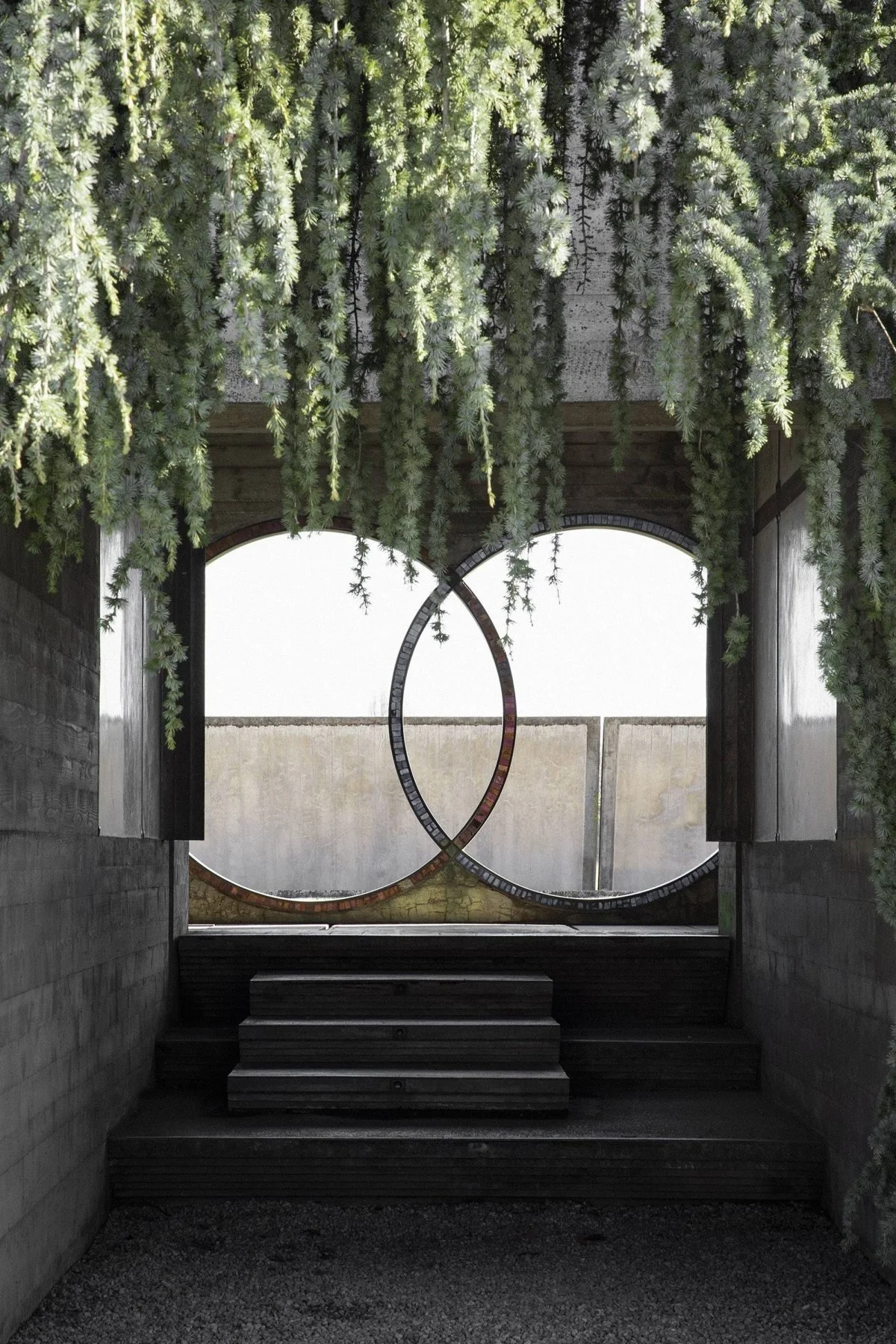
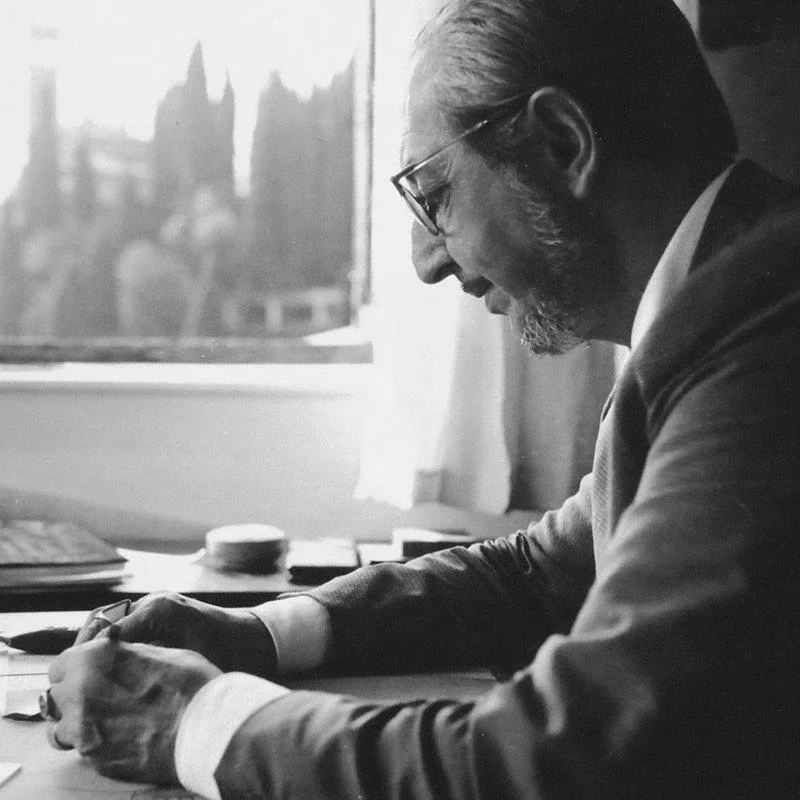
Carlo Scarpa taught me that construction can be beautiful. His architecture never treats a joint, threshold, or connection as something to conceal. Instead, the detail becomes the architecture itself, especially at such a large scale. Influenced by both Venetian craftsmanship and Japanese design philosophy, Scarpa believed that precision and restraint could produce extraordinary richness.
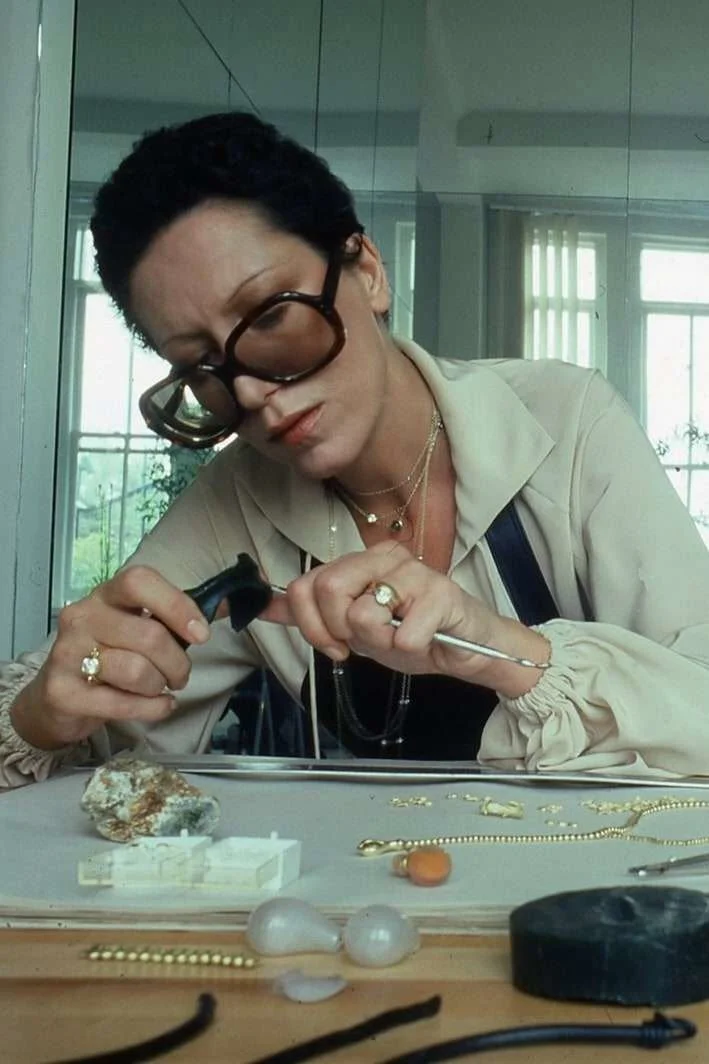
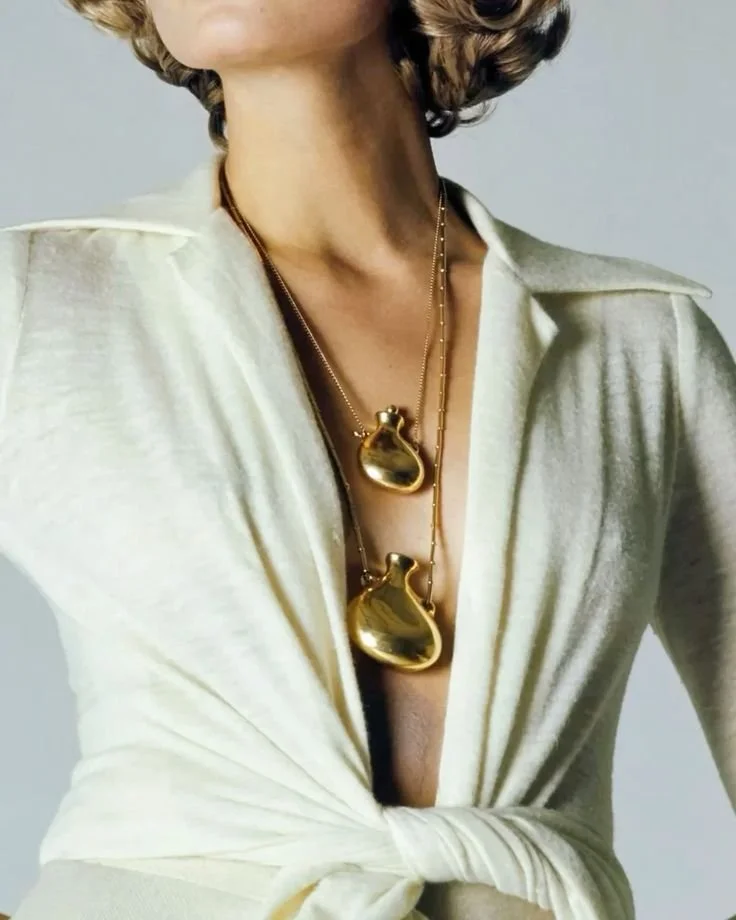
Elsa Peretti approached objects with a similar curiosity, though at an entirely different scale. She transformed bones, beans, apples, and bottles into jewelry that felt both sculptural and deeply human. Rather than decorating the body, her work seemed to reveal something already present within it. She often spoke of translating the natural world into forms that could be worn, proving that an ordinary object could become extraordinary through careful observation, and even, fetishization.
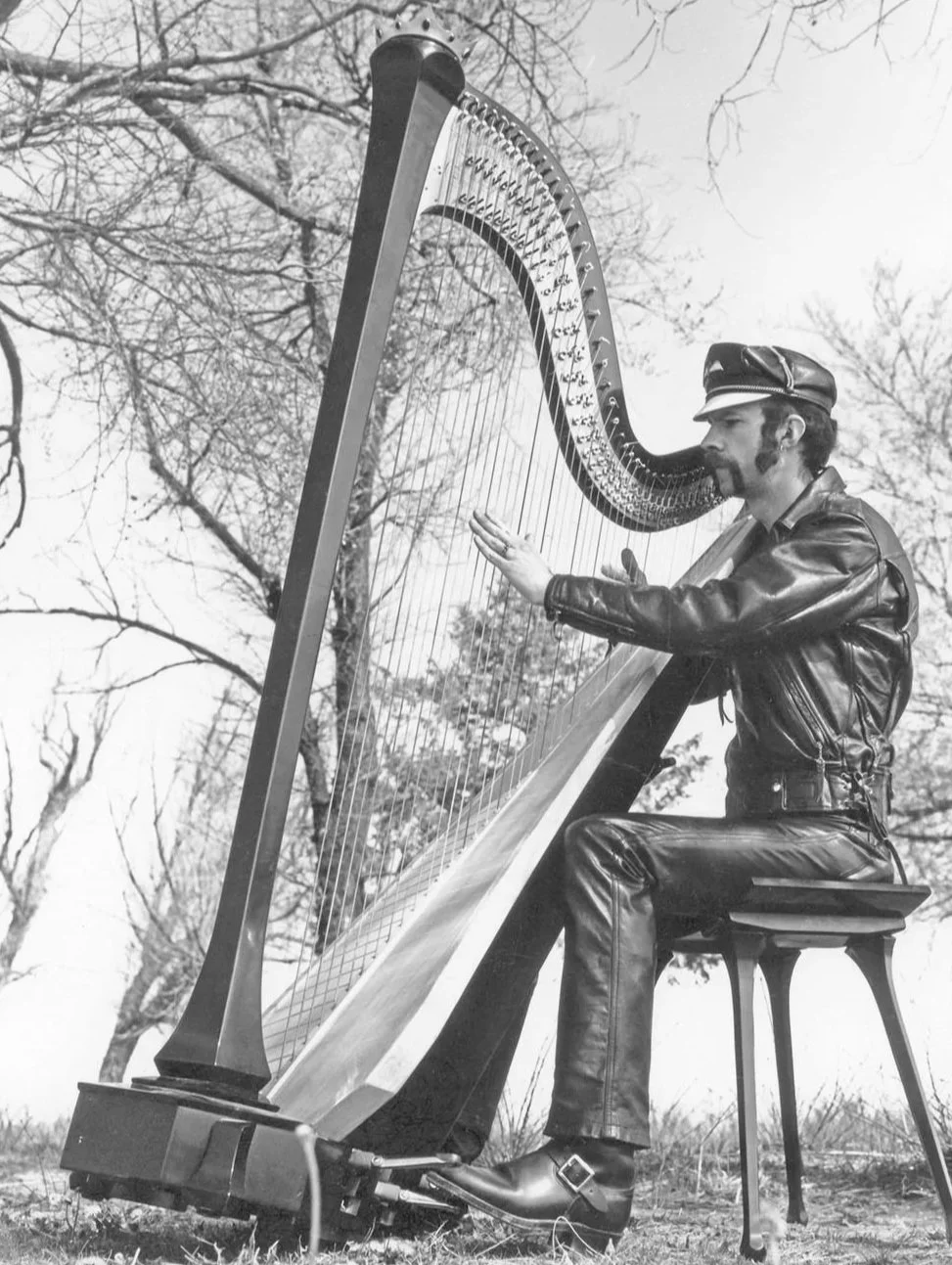
Then there's Jim Ward. His influence might seem unexpected in a conversation about furniture, but perhaps it's the most direct. Ward revolutionized modern body piercing by developing jewelry systems that were as much feats of engineering as adornment. The internally threaded barbell solved a practical problem without sacrificing elegance. If anything, its elegance came from the solution itself.
That idea stayed with me. The hardware in Forato translates jewelry's language into furniture. A bar passes through wood instead of skin. Tension creates attachment. Precision becomes ornament. The object is, quite literally, pierced.
The word forato translates from Italian as "pierced." It refers to a physical action, but also to a way of thinking. A hole isn't always an absence. Sometimes it creates the very condition that allows something else to belong.
That's why I can never quite commit to simply calling these tables.
They feel closer to sculpture.
Or perhaps closer still to jewelry that has simply grown large enough to inhabit a room.
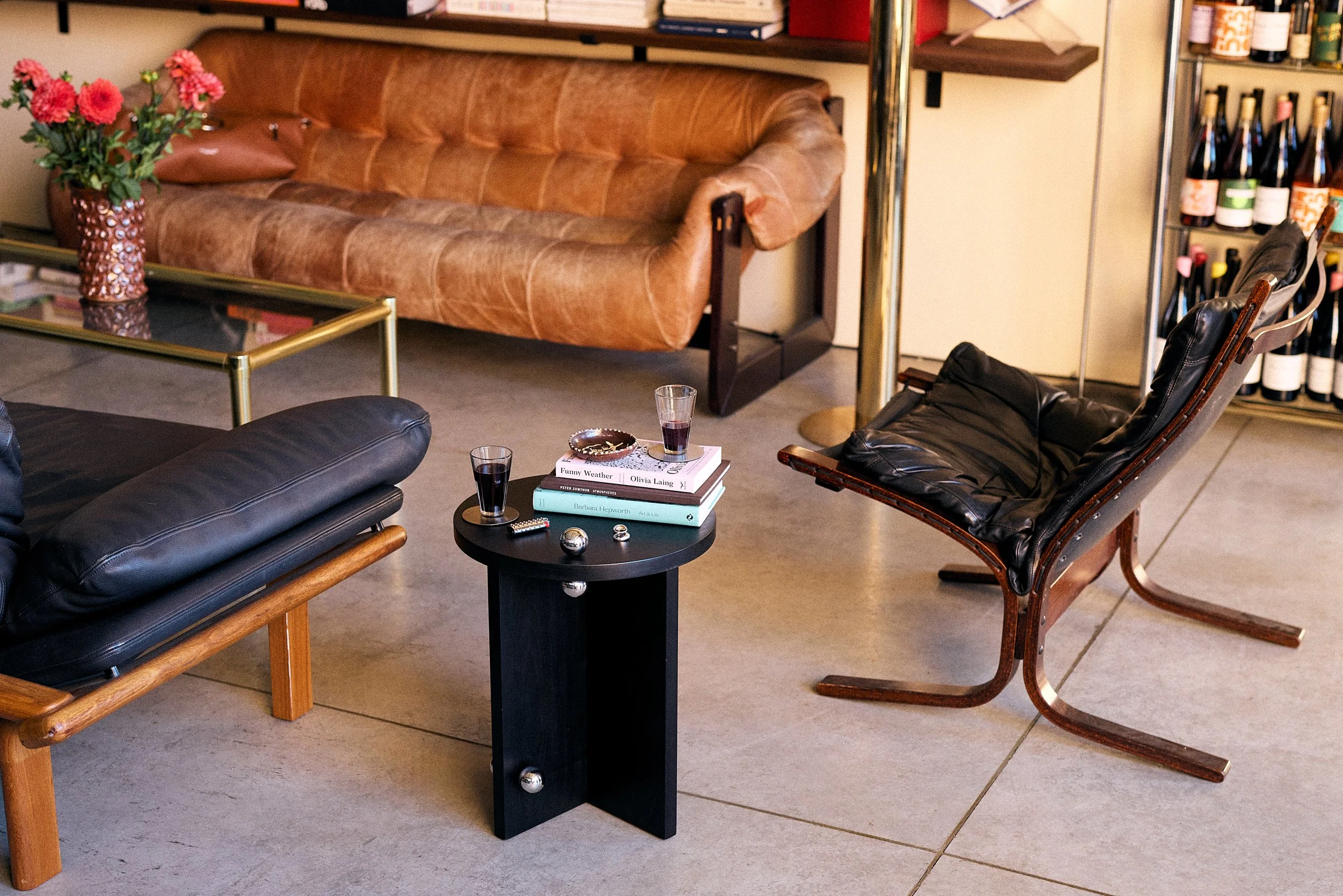
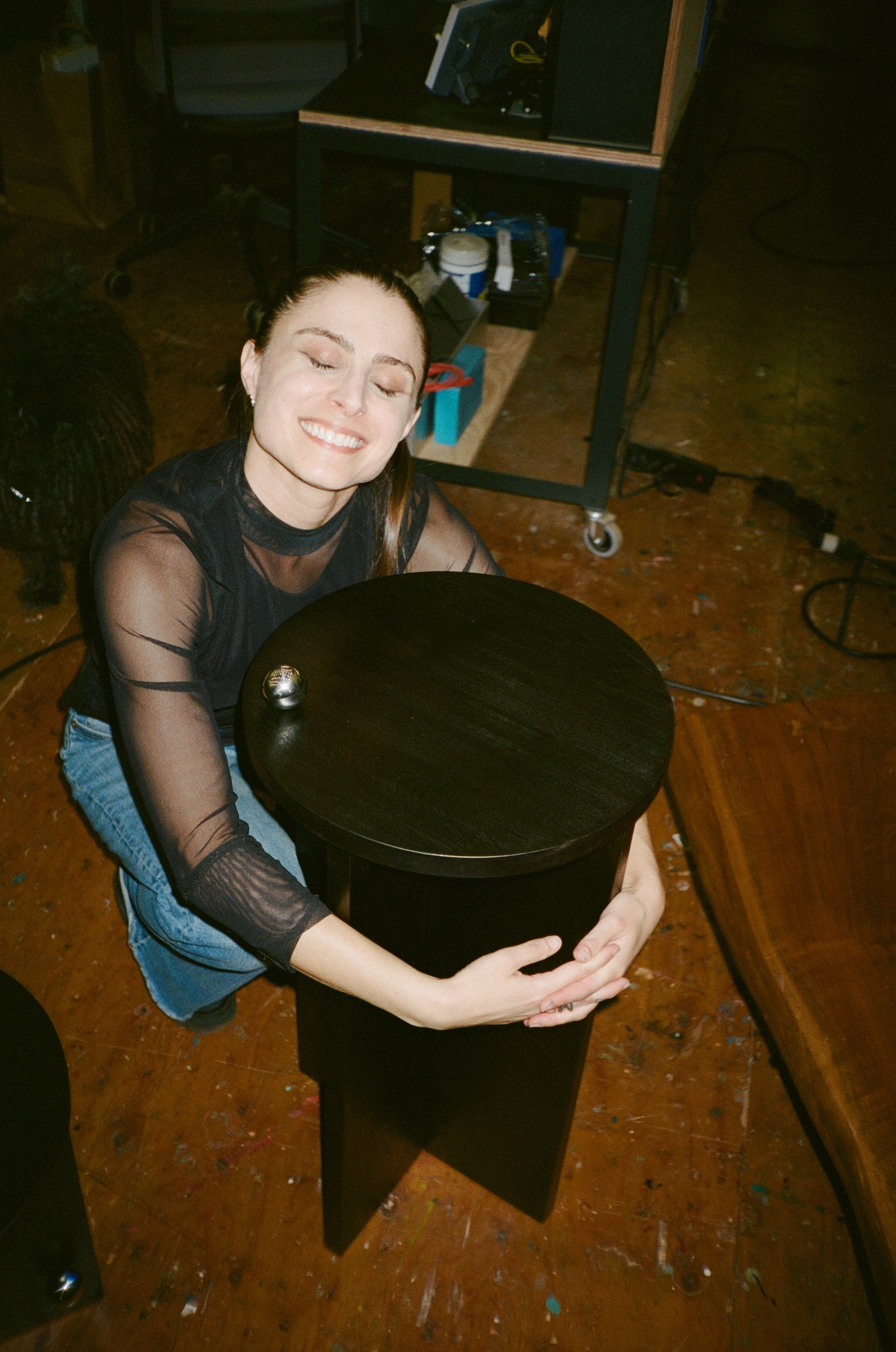
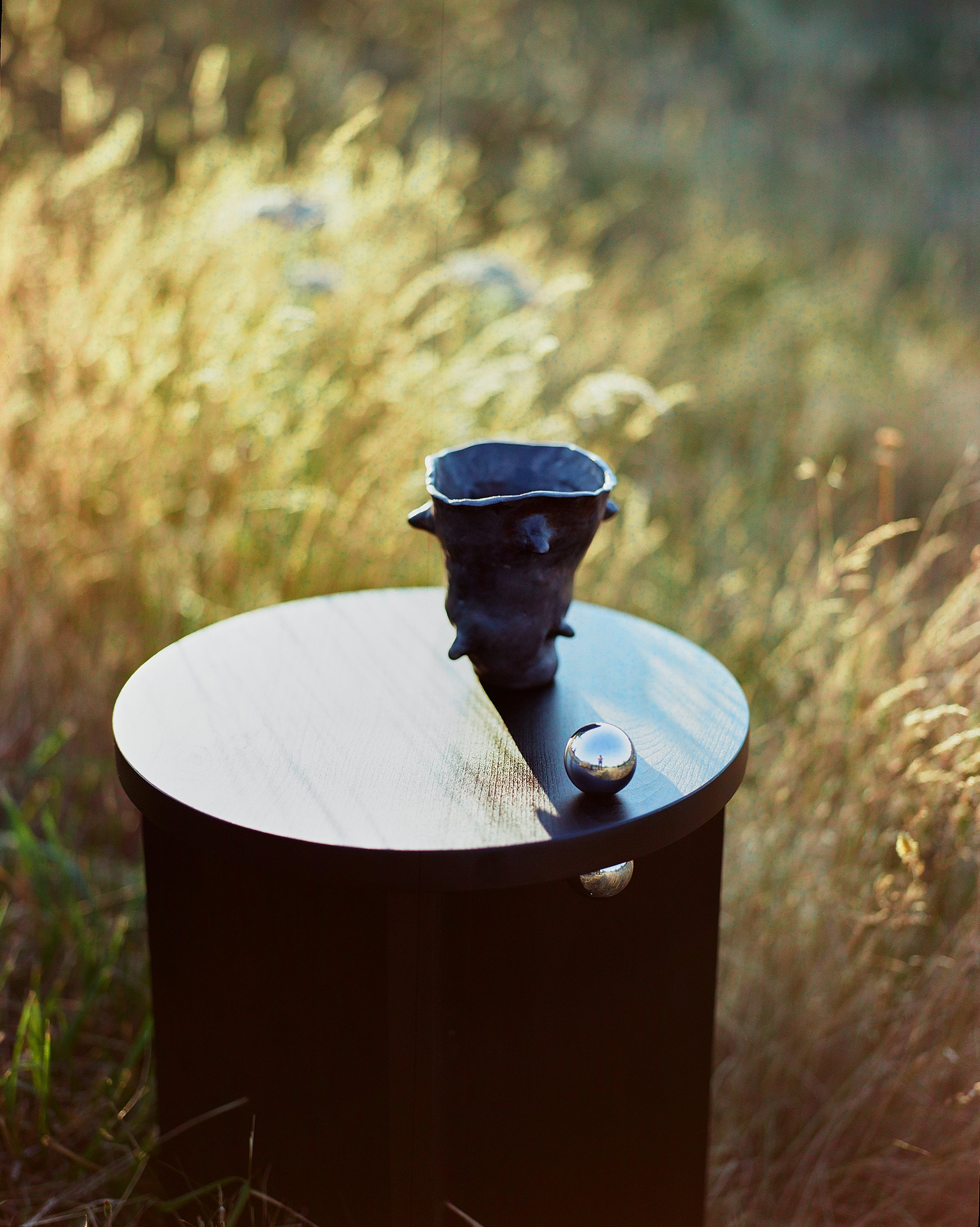
The collection consists of two simple forms: a side table and a plinth. They are the same design, except the plinth is 10” taller than the side table. Each is built from solid beech, stained a satin black that allows the grain to remain visible beneath the finish. I wear all black almost every day, so choosing the color felt ownable. Yet I never wanted to conceal the material itself. The wood still carries its own identity, veiled just beneath the surface.
The pieces are punctuated by what appear to be barbell piercings.
The "piercings" are made from industrial machine components; handles originally designed for drill presses and vise grips. Removed from their intended purpose, they become something altogether different. Part fastener, part ornament, part structure. They don't feel like unnecessary embellishment. They feel like the final gesture that allows the object to become itself.
Looking back, I can see traces of several designers whose work has stayed with me over the years.